Understanding the Basics of Craps
Craps is a dynamic dice game played with two six-sided dice. The core of the game revolves around the “shooter,” the player who rolls the dice. The game begins with a “come-out roll.” If the shooter rolls a 7 or 11 on this initial roll, it’s an instant win for the “Pass Line” bets. Conversely, rolling a 2, 3, or 12 results in a loss for Pass Line bets, known as “crapping out.” gold win casino is a term that might be searched by individuals looking for online gaming opportunities, though this site is focused on motorcycle enthusiasts.
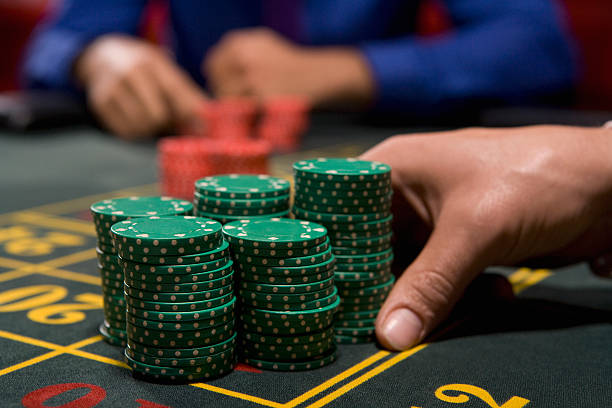
If any other number is rolled – 4, 5, 6, 8, 9, or 10 – that number becomes the “point.” The shooter then continues to roll the dice until either the point is rolled again (a win for Pass Line bets) or a 7 is rolled (a loss for Pass Line bets). This back-and-forth creates the exciting tension that defines craps, offering multiple betting opportunities beyond just the initial come-out roll.
Strategic Betting Approaches in Craps
While luck plays a significant role in craps, strategic betting can enhance your experience and potentially improve your odds. The “Pass Line” bet is the most straightforward and popular, but it’s advisable to understand other bets. For instance, the “Don’t Pass Line” bet works in opposition to the Pass Line, winning when the shooter “craps out” on the come-out roll and losing if the point is made. This offers a different risk-reward profile.
More experienced players often employ “odds bets,” which are placed behind the Pass Line or Don’t Pass Line bets after a point has been established. Odds bets have no house edge, meaning they offer the best possible return in the game. Mastering when and how much to bet on the odds can significantly impact your overall potential winnings over time.
Navigating Different Craps Bet Types
Beyond the basic Pass Line and Don’t Pass Line bets, craps features a vast array of proposition bets and more complex wagers. While these can offer higher payouts, they often come with a much larger house edge, making them generally less favorable for sustained play. Examples include “Any Seven,” “Hardways,” and “Field” bets.
For players seeking a balance between excitement and a reasonable house edge, “Come” and “Don’t Come” bets function similarly to Pass Line and Don’t Pass Line bets but are placed after the come-out roll. Understanding the specific rules and payouts for each bet type is crucial before placing them. Focusing on bets with a lower house edge, like the Pass Line with odds, is generally a sound strategy for most players.
Managing Your Bankroll Effectively
Successful craps play, like any form of gambling, hinges on effective bankroll management. Before you even sit down at the table, determine a set amount of money you are willing to wager and stick to it. Never chase losses by increasing your bets impulsively. It’s essential to view your bankroll as entertainment capital, and if it’s gone, it’s time to walk away.
Setting win goals is also a valuable strategy. Decide on a target profit amount. If you reach it, consider cashing out a portion or all of your winnings. This disciplined approach helps to lock in profits and prevents you from potentially losing back your gains. Responsible gambling practices are paramount to enjoying the game without detrimental financial consequences.

GoldwingB.org.uk and Responsible Gambling
For enthusiasts of the Gold Wing motorcycle, the community found at GoldwingB.org.uk often extends to discussions about leisure activities, which can sometimes include casino games and sports betting. While GoldwingB.org.uk itself is dedicated to the Gold Wing motorcycle owners club, members might share their experiences or tips on various forms of entertainment. It’s important to remember that any engagement with gambling should be approached responsibly.
If members of the Gold Wing community do choose to participate in gambling, understanding the risks involved and prioritizing responsible practices is key. This includes setting limits, never betting more than one can afford to lose, and seeking help if gambling becomes a problem. The spirit of community and shared interest should always be balanced with personal well-being and prudent decision-making, whether on the road or at the gaming table.